



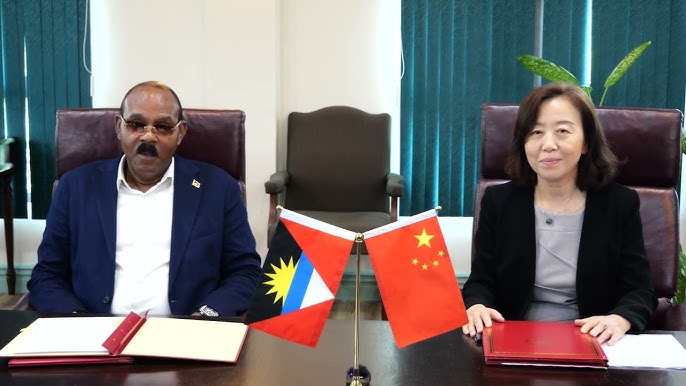
The community landscape in Antigua and Barbuda is set for a massive transformation following a newly signed agreement for a major housing expansion. This strategic initiative marks the official launch of the second phase of a highly successful bilateral development program. By bringing affordable, high-quality residential structures to the twin-island nation, the government is taking definitive steps to enhance local living standards and modernize urban spaces for citizens.
This major development stems from an official implementation agreement signed between Prime Minister Gaston Browne and the Ambassador of the People’s Republic of China, Madame Zhang Yanling. Under this newly ratified phase of the Antigua housing project, the Chinese government will provide full grant funding for the construction of 100 additional standalone homes. This project follows the successful completion of the first phase, which successfully delivered 50 affordable residential units across communities like Booby Alley, Bolans, and weeroch. For the local Antigua real estate market, this influx of modern structures addresses a crucial need for sustainable, climate-resilient family housing.
The impact of this China Antigua partnership extends far beyond simple construction, as it directly stimulates the local economy. The upcoming builds will incorporate advanced architectural designs engineered to withstand extreme Caribbean weather events, making them a benchmark for secure community infrastructure expansion. Additionally, the deployment of construction teams will create numerous employment opportunities for local contractors, technicians, and heavy equipment operators. This economic ripple effect is highly relevant for automotive enthusiasts and professionals, as increased construction activities inevitably drive demand for commercial transport vehicles, rugged pickup trucks, and reliable logistics services. You can explore our deep dives into the best vehicles for local commercial use and construction transport at our blog.
As the government finalizes the site selection process for these 100 new units, urban planners are focusing on integrating smart utility access and reliable road networks for the chosen communities. Ensuring that these new residential zones have adequate parking and accessible access points is a key priority for sustainable development. This forward-thinking approach ensures that the expansion will smoothly accommodate the growing number of family vehicles on our roads today.
This bilateral agreement underscores a long-standing history of cooperation, with international observers noting how grant-funded infrastructure plays a vital role in small island developing states. Readers interested in the broader economic dynamics of global partnerships can review detailed reports via the United Nations Main Portal. The rollout of these 100 homes represents a monumental step toward ensuring secure, affordable housing for families across the island.
The future of our local communities looks brighter and more connected than ever with these upcoming residential developments. How do you think this major housing expansion will impact traffic flow and vehicle demand in the newly designated residential areas? Are you planning to upgrade to a more family-friendly or commercial-grade vehicle to match our expanding infrastructure? Share your thoughts in the comments below! If you found this update informative, make sure to browse our other featured articles at our blog to stay informed on infrastructure trends and local automotive news.


