



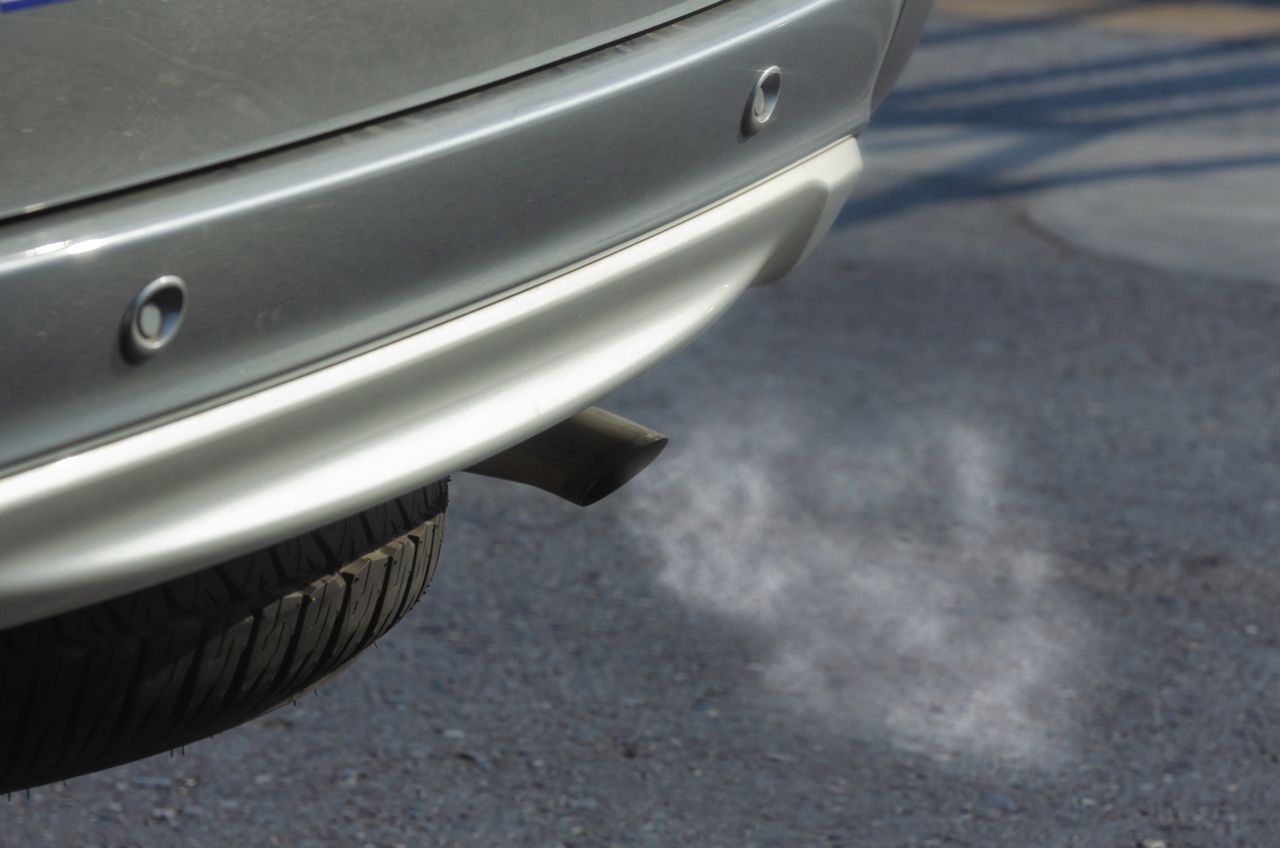
Your vehicle's exhaust can reveal important clues about its mechanical condition. Whether you drive around St. John's, head towards English Harbour, or travel along the coastal roads of Antigua and Barbuda, noticing unusual smoke from your tailpipe should never be ignored. Different car exhaust smoke colors can indicate problems involving engine oil, fuel combustion, coolant, or the injection system. Learning what these signs mean can help you recognize potential faults before they become expensive repairs.
Why Does Your Car Produce Exhaust Smoke?
Every gasoline or diesel engine produces exhaust gases as part of the combustion process. Under normal operating conditions, these gases are usually almost invisible once the engine reaches its normal temperature.
However, when something affects the combustion process or allows unwanted fluids to enter the cylinders, visible smoke may appear. The color, thickness, smell, and duration of the smoke can help a mechanic identify the possible cause. It is important to remember that exhaust smoke color is a diagnostic clue, not a definitive diagnosis. A vehicle may have several possible faults producing similar symptoms, and gasoline and diesel engines can behave differently.
White Smoke: Is It Steam or an Engine Problem?
Seeing white smoke from your car does not always mean something is seriously wrong. A thin, temporary white cloud immediately after starting the engine can simply be water vapor produced during combustion. As the exhaust system warms up, this vapor normally disappears. However, thick white smoke that continues after the engine reaches operating temperature deserves attention.
One possible cause is coolant entering the combustion chamber. This can happen because of a damaged head gasket, a cracked cylinder head, or damage to the engine block.
Other warning signs may include:
-
Unexplained coolant loss from the reservoir.
-
Engine overheating.
-
A sweet smell coming from the exhaust.
-
Rough engine operation or misfires.
-
Persistent white exhaust clouds after the engine warms up.
In diesel vehicles, white smoke can also indicate fuel that is not burning properly. Faulty injectors, incorrect injection timing, or low compression are among the possible causes. If the engine overheats or coolant levels drop unexpectedly, stop driving when it is safe and arrange an inspection. Never remove a radiator cap while the engine is hot.
Blue Smoke: Your Engine May Be Burning Oil
One of the more recognizable warning signs is blue smoke from the exhaust. It usually indicates that engine oil is entering the combustion chamber and burning together with the fuel.
Several mechanical problems can cause this condition:
Worn Piston Rings: Piston rings help seal the combustion chamber and control the amount of oil reaching the cylinders. When they become worn or damaged, oil can pass into the combustion area and burn.
Damaged Valve Stem Seals: These seals prevent excessive oil from entering the cylinders through the valves. When they deteriorate, oil may leak into the combustion chamber, particularly after the vehicle has been parked or during certain driving conditions.
Turbocharger Problems: In turbocharged engines, damaged seals or internal wear can allow engine oil to enter the intake or exhaust system.
Excessive Engine Oil: Overfilling the engine with oil can also contribute to oil entering areas where it should not be.
If you notice blue smoke, check the engine oil level according to the manufacturer's instructions and arrange a mechanical inspection. Continuing to drive with significant oil consumption can eventually cause severe engine damage.
Black Smoke: Too Much Fuel or Not Enough Air
Black exhaust smoke is commonly associated with incomplete fuel combustion. It means that the engine may be receiving too much fuel relative to the available air, or that the fuel is not burning efficiently. This issue is particularly noticeable in some diesel vehicles, especially when accelerating under heavy load.
Possible causes include:
-
Clogged air filter: A restricted air supply can interfere with the combustion process.
-
Faulty fuel injectors: Damaged or dirty injectors may deliver fuel incorrectly.
-
Fuel injection problems: Incorrect injection pressure or timing can affect combustion.
-
Turbocharger issues: Insufficient boost pressure can reduce the amount of air entering the engine.
-
Engine sensor problems: Incorrect readings from certain sensors can affect fuel delivery in electronically controlled engines.
Black smoke can also indicate excessive fuel consumption and reduced engine performance. If your vehicle produces persistent black smoke, a technician should inspect the air intake, fuel system, turbocharger (if equipped), and engine management system. For diesel vehicles fitted with a Diesel Particulate Filter (DPF), excessive visible smoke may also indicate a problem with the emissions-control system.
Grey Smoke: A Sign That Requires Further Investigation
Grey or greyish-blue smoke can be more difficult to interpret because several mechanical problems may produce similar exhaust appearances.
Depending on the engine, possible causes include burning engine oil, excessive fuel delivery, a malfunctioning PCV system, or a turbocharger problem. In some automatic vehicles, older transmission designs may also develop problems involving the transmission vacuum modulator, potentially allowing transmission fluid to enter the engine intake. This is not applicable to every modern automatic transmission.
The important thing is to observe when the smoke appears. Does it happen during acceleration, when starting the engine, while idling, or after driving for a long period?
These details can help a mechanic narrow down the possible cause.
What About Brown Smoke?
Unlike white, blue, and black smoke, brown exhaust smoke is not a widely recognized diagnostic category for modern gasoline and diesel engines. If the exhaust appears brown, it may actually be dark grey or black smoke affected by lighting conditions, surrounding dust, or the appearance of the exhaust gases. Rather than assuming that brown smoke means everything is working correctly, it is better to observe whether the emission is persistent and have the vehicle inspected if it is unusual.
Why Should Drivers in Antigua and Barbuda Pay Attention?
The warm, humid environment of Antigua and Barbuda makes regular vehicle maintenance especially important. Coastal exposure can contribute to corrosion in certain components, while frequent journeys, traffic, and changing road conditions place demands on engines and cooling systems. For drivers travelling between St. John's, All Saints, Liberta, and English Harbour, a vehicle that develops an overheating problem or begins consuming excessive oil should be inspected promptly.
Regular maintenance can help identify potential problems before they become major repairs. Some useful practices include:
-
Checking engine oil and coolant levels regularly.
-
Replacing air and oil filters according to the manufacturer's schedule.
-
Using the correct engine oil specification.
-
Inspecting hoses, cooling-system connections, and the radiator.
-
Maintaining the fuel injection system.
-
Following the recommended service intervals.
If your vehicle produces unusual smoke, avoid trying random additives or making adjustments to the fuel injection system without proper diagnosis.
When Should You Stop Driving?
Not every exhaust cloud requires an emergency stop, but some symptoms indicate that continuing to drive could be dangerous or cause serious engine damage.
Stop in a safe location and seek professional assistance if you notice:
-
Thick, persistent white or blue smoke.
-
Rapid coolant or engine oil loss.
-
An engine temperature warning or overheating.
-
An oil pressure warning light.
-
Severe loss of engine power or unusual knocking noises.
-
Smoke accompanied by a strong burning smell.
A professional diagnostic inspection can help determine whether the problem involves the cooling system, internal engine components, fuel injection, or another mechanical system.
Final Thoughts: Don't Ignore What Comes Out of Your Exhaust
The color of your vehicle's exhaust can provide valuable information about its mechanical condition. White smoke may indicate condensation or coolant-related problems, blue smoke often points to burning engine oil, and black smoke commonly suggests incomplete fuel combustion. Grey emissions require additional investigation, while brown smoke should not automatically be considered normal.
For motorists in Antigua and Barbuda, recognizing these warning signs and maintaining a regular servicing routine can help prevent unexpected breakdowns and expensive repairs.
For more practical information about vehicle care, common mechanical problems, and driving advice, explore our automotive maintenance guides and car advice articles.
Have you ever noticed unusual smoke coming from your vehicle's exhaust? Was it white, blue, black, or grey? Share your experience in the comments! You can also follow our blog for more articles about engine maintenance, cooling systems, fuel efficiency, and common car problems.
